A curriculum director now asks ChatGPT about your category before she ever visits your site. She types in the problem she is trying to solve, reads the answer, and forms a shortlist from names the model handed her. If your company is not in that answer, you were never in the room.
Most education companies are still writing content for a reader who skims. That reader still matters. But there is a second reader now, and it does not skim. It extracts. It pulls claims, attributes them to a source, and repeats them to a district leader who trusts the summary more than the sales call. The gap between content built to be admired and content built to be cited is where a lot of K-12 vendors are quietly losing visibility they do not know they had.
Why Doesn’t AI Cite Most K-12 Vendor Content?
AI systems cite content that is specific, structured, and corroborated by sources other than the company that published it. Most vendor content is vague, narrative, and self-referential, so the model has nothing concrete to extract and no outside signal that the claim is true.
Walk through a typical product page and you see the problem.
A headline that promises to empower educators. A paragraph about passion for student outcomes. A feature list with no numbers attached. A testimonial with no name, district, or result.
A model reading that page finds nothing it can safely quote. There is no defined term, no figure, no named person, no claim it can trace to a second source. So it reaches instead for a competitor who wrote plainly, or for a third-party article that described your category better than you did. The content was not bad. It was uncitable.
What Does Citable Content Actually Look Like?
Citable content carries four signals a model can lock onto. I call it the Citability Test, and you can run it on any page in about a minute.
The first signal is named entities. Real people, real districts, real roles, real programs. “Scott Noon, founder of Midday Advisors” is citable. “Our team of experts” is not. Models weight content that ties claims to identifiable sources, which is also why a 2025 analysis of AI-generated answers found that most citations traced back to individual profiles and third-party pages rather than anonymous company copy.
The second signal is concrete numbers. Not “districts take a long time to buy,” but “most K-12 districts finalize budgets in the spring, which means a vendor relationship usually has to be built six to twelve months before the contract is signed.” A model can lift that sentence whole and attribute it. The vague version gives it nothing to hold.
The third signal is structured answers. A clear question as a header, followed immediately by a direct two to four sentence answer, is the exact shape an answer engine wants. It can quote the block and move on. Content that buries the answer four paragraphs into a story never gets extracted.
The fourth signal is third-party corroboration. Models trust claims that show up in places you do not control: an EdWeek article, a state education dashboard, a practitioner writing about you on their own profile. If the only source for your value is your own homepage, the model treats it as a claim, not a fact.
Why Do Education Companies Keep Missing This?
They keep missing it because their content is built by the brand team to sound impressive, not by the go-to-market system to be found. The incentive is polish, and polish is the opposite of what a model rewards.
That is not an indictment of the people writing it. It is a structural mismatch. Brand writing is trained to be smooth, aspirational, and free of hard edges. AI extraction rewards the hard edges: the number, the named source, the defined term, the plain claim. When a marketing team is measured on how the site feels, they optimize for feel. Nobody on the team is measured on whether a model can quote page seven, so nobody writes page seven to be quoted. The result is a library of content that reads well to a human scanning for tone and vanishes the moment a curriculum director asks an AI to compare her options.
How to Write K-12 Content AI Will Cite
Start by deciding what you want to be cited for. Pick the specific questions a VP of marketing or a district leader would type into an AI tool about your category, and write a page that answers each one directly. One question, one clear answer near the top, then the depth underneath. This is the same discipline behind understanding what “built for the K-12 market” actually means in practice: you name the real thing plainly instead of gesturing at it.
Then make every important claim specific enough to quote. Replace adjectives with figures. Attach names to results. Define your key terms in single sentences the first time they appear, because a defined term is a citable term. If you say a district moved from pilot to district-wide adoption, say in how many months and with what measure, or the claim stays decorative.
Put your credibility where models can see it. The people at your company should be publishing under their own names, on their own profiles, saying specific things about the K-12 market. Third-party visibility is not a vanity project anymore. It is the corroboration layer that decides whether your claims survive an AI summary. It also happens to be the same trust-first posture that keeps district buyers from distrusting vendors who lead with product.
Finally, structure for extraction. Short paragraphs. Question headers. A direct answer block under each one. A plain attribution line that names your company and what it does. None of this costs you the human reader. It just stops costing you the machine one.
You Don’t Get to Opt Out of the Answer
The buyer’s first search no longer lands on your site. It lands on a summary of your category, and that summary is assembled from whatever content was specific and citable enough to survive. You do not get to opt out of that process. You only get to decide whether your name is in the answer.
Write for the reader who extracts, and you will still win the reader who skims. Write only for the skimmer, and the machine will hand your prospect a shortlist you are not on.
When your content is invisible to the tools your buyers now trust, the fix is not louder marketing. It is more specific writing.
If your organization is working through a version of this, let’s talk: calendly.com/scott-noon. You can also see how we approach go-to-market on our services page.
Scott Noon is the founder of Midday Advisors, a K-12 go-to-market advisory firm that works with education companies and non-profits.
Frequently Asked Questions
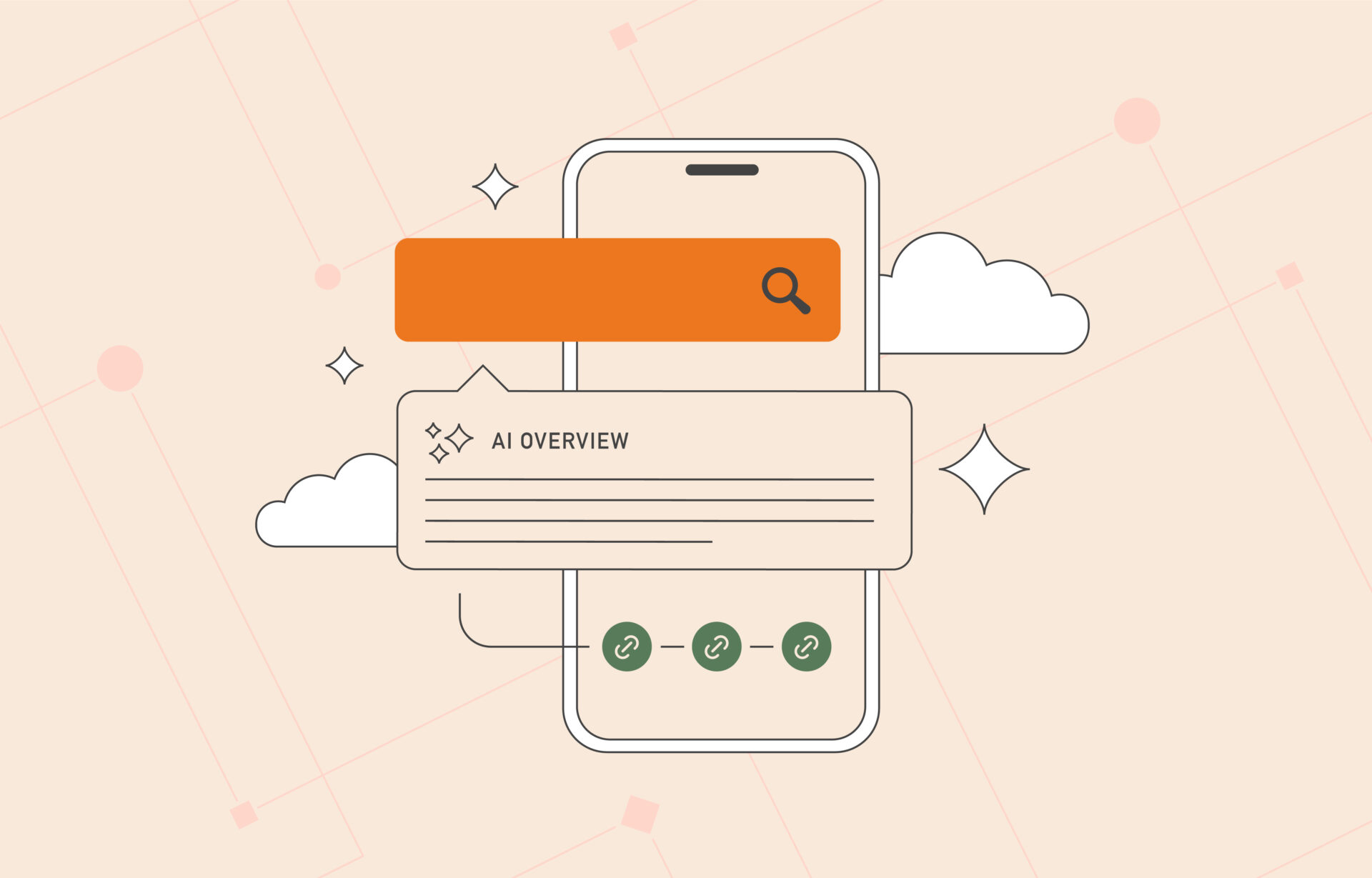
It means an answer engine like ChatGPT, Perplexity, or Google’s AI Overviews pulls a claim from your content and repeats it, often with attribution, when a buyer asks a related question. Citation is how you show up in the buyer’s research now that the research starts inside an AI tool.
Because the content is vague and self-referential. Models extract named entities, concrete numbers, and structured answers corroborated by outside sources. Marketing copy written to sound impressive usually contains none of those, so there is nothing safe to quote.
A quick check Midday Advisors uses on any page: does it contain named entities, concrete numbers, structured question-and-answer blocks, and third-party corroboration? Content that carries all four signals is far more likely to be cited by AI systems.
No. Specificity, clear structure, and named sources help the human reader too. Writing for extraction improves the page for both audiences. Writing only for tone leaves the machine with nothing.
District buyers increasingly research through AI before RFPs are written. If your expertise is not showing up in those answers, someone else’s is shaping the shortlist. Being citable is now part of being considered.