
Expertise you need, without having to hire. Schedule a call.

Why K-12 Marketing Feels Scattered (and How to Fix It)

A full marketing calendar is not the same as a marketing strategy. Most K-12 education organizations have one. Not many have the other.

The pattern shows up the same way in org after org. The team is busy. The newsletter goes out. The webinar runs. The social posts get scheduled. The conference booth gets staffed. But the pipeline isn’t moving, leadership is losing confidence in marketing, and nobody can clearly articulate what all the activity is actually building toward.

This isn’t a creativity problem or a capacity problem. It’s a structure problem — and the structure problem has a specific name: the calendar got built before anyone agreed on what success looked like.

Marketing that feels scattered almost always is scattered. The feeling isn’t imposter syndrome. It’s an accurate read of a function that was assembled reactively and never given a frame to hold it together.

Why Does K-12 Education Marketing Feel Scattered?

K-12 education marketing feels scattered because most education organizations build their marketing function by accumulating tactics rather than by designing a strategy and filling it with execution.

The accumulation happens gradually and for understandable reasons. A conference appears on the calendar and someone builds a presence strategy. A competitor launches a podcast and leadership asks whether the organization should do the same. A donor wants to see more social media activity. A sales rep asks for a new piece of collateral for a specific district type. Each addition is individually reasonable. None of them gets evaluated against a strategic frame, because no strategic frame exists to evaluate against.

Over time the function fills up with activities that were each justified at the moment of addition but that don’t connect to each other or to a coherent outcome. The team is running multiple campaigns aimed at different audiences with different messages across multiple channels. None of the campaigns is well-resourced enough to work. The messaging across channels doesn’t reinforce itself because each piece was developed in isolation. The activities that would actually move the pipeline — the ones that reach the right buyer at the right moment with the right evidence — are buried under everything else.

The calendar looks full. The pipeline stays empty.

What Are the Signs That K-12 Marketing Has a Scatter Problem?

There are five signals that K-12 marketing has a scatter problem rather than a capacity problem.

The first is that campaigns run, but outcomes don’t follow. The team knows how many emails went out, how many people attended the webinar, and how many downloads the content got. Nobody knows how any of it influenced a purchasing decision. Engagement metrics are tracked; influence on the pipeline is not.

The second is that sales doesn’t know what marketing is running. When a sales rep is in a district conversation and has no idea what content the district has seen or what campaign they’ve been part of, the two functions aren’t connected. Marketing is producing; sales is unaware. There’s no potential for reinforcement because nobody built the handoff.

The third is that marketing doesn’t know what sales conversations are happening. Content gets built without input from the field about what buyers are actually saying, what objections are coming up, what questions aren’t getting answered. The content calendar is informed by internal priorities, not by buyer reality.

The fourth is that the CEO’s priorities become content priorities on a two-week lag. Leadership mentions a new angle at a team meeting and by the following week the marketing team is producing content around it, regardless of whether it serves the buyer the organization is trying to reach or the motion it’s running. Marketing that is reactive to internal inputs rather than strategic about external outcomes will always feel scattered, because internal inputs change constantly.

The fifth is that the customer journey has never been mapped. There’s no agreed-on picture of how someone moves from first awareness of the organization to a signed contract — which means there’s no way to know where in that journey the marketing activity is concentrated, where the gaps are, or where people are dropping out.

Any two of these five is a scatter problem. All five are functions that need to be rebuilt before they can be improved.

What Causes Marketing Scatter in Education Organizations Specifically?

K-12 education organizations have two structural features that make marketing scatter more likely than in commercial B2B companies.

The first is the breadth of the audience. Most education organizations serve — or want to serve — multiple stakeholder groups: districts, schools, teachers, administrators, policymakers, funders. The pressure to communicate with all of them produces marketing that is spread across more channels, more messages, and more content types than any team can execute well. The result is a mile wide and an inch deep.

The second is the political complexity of the organization. Education organizations often have multiple stakeholders with input over marketing — a board with visibility preferences, funders with messaging requirements, a communications team with brand standards, and program staff who want their work represented. Marketing built by committee almost always ends up scattered, because each voice gets a lane and nobody is responsible for the whole road.

Neither of these structural features is unique to small organizations. I’ve seen the scatter problem in education organizations with ten-person marketing departments. Size doesn’t prevent it. A clear strategic frame — explicitly owned by someone — is what prevents it.

How Do You Fix Scattered K-12 Marketing?

Fixing scattered marketing in a K-12 organization requires four steps, in sequence. Skipping ahead to step three because it feels more productive is how organizations end up adding tactics to an unfixed structure.

The first step is stopping. Not stopping everything permanently — stopping the addition of anything new until the existing activity has been audited. This is uncomfortable because it requires resisting organizational pressure to keep moving. Do it anyway. You cannot design a strategy while executing a dozen tactics simultaneously.

The second step is mapping what exists against what the organization is actually trying to achieve. For each current marketing activity: who is it reaching, what is it asking them to do, and is there any evidence it’s working? Activities that can’t answer all three questions are candidates to cut. This audit is rarely comfortable. It usually reveals that a significant portion of what the team is producing has no traceable connection to the outcome the organization cares about.

The third step is cutting. Not trimming — cutting. The organization should finish this step with a shorter list of activities, not a rationalized version of the same list. The things that get cut are the things that were justified at the moment of addition but that don’t serve the strategic goal. Cutting them frees up the time and attention to do the remaining things well.

The fourth step is rebuilding from a clear strategic starting point: who is the organization trying to reach, what do they want that person to do, and what is the most direct path from where that person is to that action. The activities that get built from that starting point will be fewer, more connected to each other, and more likely to produce results.

Organizations that go through all four steps almost always find the same two things: they were doing more than they needed to, and the work that actually mattered was getting crowded out by the work that was just filling the calendar.

The fix is less comfortable than adding a new campaign. The results are considerably better.


Frequently Asked Questions

Q: What is the difference between a marketing calendar and a marketing strategy? A: A marketing calendar is a schedule of activities — what content gets published when, which events the team will attend, when campaigns will run. A marketing strategy is the frame that determines which activities go on that calendar and why: who the organization is trying to reach, what it wants them to do, and how each activity contributes to that outcome. A calendar without a strategy produces activity. A strategy without a calendar produces nothing. Most K-12 organizations that feel scattered have built the calendar without the strategy underneath it.

Q: How do you audit a K-12 marketing function to find out what’s working? A: Start by tracing backward from closed deals rather than forward from the marketing calendar. For each deal that closed in the past twelve months: how did it start, what marketing activity (if any) was the first touchpoint, and what did the sales team say moved it forward? Then map that against what the marketing team is actually spending time on. The gap between the two — between what influenced deals and what consumes team time — is the audit result. Most organizations find that a small number of activities account for most of the influence, and a large number of activities account for most of the time.

Q: Why does K-12 marketing in particular tend to become scattered? A: Two structural features drive it. First, most education organizations feel pressure to communicate with multiple stakeholder groups simultaneously — districts, schools, teachers, funders, policymakers — which produces marketing spread across more channels and messages than any team can execute well. Second, political complexity inside education organizations means marketing is often built by committee, with multiple stakeholders claiming lanes. Both features produce scattered output unless someone is explicitly responsible for the strategic frame that connects everything.

Q: How do you get leadership to support cutting marketing activities? A: Show the cost of the current approach in concrete terms. If the team is running five campaigns and none has produced traceable pipeline, the argument for cutting three of them and concentrating on two isn’t about doing less — it’s about doing two things well instead of five things poorly. The evidence from the audit makes this case more clearly than any argument about strategy. Leadership that is frustrated with marketing results is usually ready to hear that the current approach isn’t working; they just need a clear picture of what to do instead.

Q: What should a K-12 education organization do before building a new marketing plan? A: Complete the four-step process: stop adding, audit what exists, cut what doesn’t connect, and rebuild from a clear strategic starting point. Building a new marketing plan without that foundation produces a new version of the scatter problem. The new plan will feel fresh for a few months and then accumulate the same reactive additions that made the previous one scattered. The starting point is the strategy — who you’re reaching, what you want them to do, and what the most direct path to that action looks like.


Scott Noon is the founder of Midday Advisors, a K-12 go-to-market advisory firm that helps education companies build focused, effective marketing functions. If your marketing feels scattered and you want a clearer path forward, let’s talk.

K-12 Education Marketing Doesn’t Need More Content. It Needs More Clarity.

When K-12 education marketing isn’t landing, the instinct is to produce more. More blog posts. More case studies. More emails. More social content. More webinars.

That instinct is almost always wrong.

I’ve worked with education organizations that are publishing constantly — newsletters every two weeks, one-pagers for every program, a blog with new posts every week, social channels updated daily — and generating almost no pipeline. Not because the content is bad. Because nobody stopped to ask what it was supposed to do.

Content without clarity isn’t marketing. It’s activity. And the difference between the two — between content that opens doors and content that fills calendars — is almost entirely determined by how specifically the organization understands who it’s talking to, what problem that person has, and what a piece of content needs to accomplish to move them forward.

Why Doesn’t Producing More Content Fix K-12 Marketing?

Producing more content doesn’t fix K-12 education marketing because volume is not the constraint. Specificity is.

The district leader who is evaluating vendors for a curriculum adoption doesn’t need more content to encounter — she needs one piece of content that speaks directly to the accountability problem she’s trying to solve and shows evidence that this product has solved it for someone like her. The principal who is looking for professional development options for his staff doesn’t need another thought leadership blog post — he needs a case study from a district with a similar student population and a similar challenge that shows what changed after implementation.

Most education marketing produces general content aimed at a general audience on the assumption that more exposure to the brand creates more pipeline. It doesn’t. It creates a long list of people who have heard of the organization but don’t know whether it’s relevant to them. The content that actually moves the pipeline is specific enough that the right reader immediately recognizes it as for them — and specific enough that the wrong reader moves on.

The organizations that have figured this out are not publishing more than their competitors. They’re publishing less, more precisely, to a more carefully defined audience. Their content does more work per piece because each piece has a clear job tied to a real buyer’s real decision.

What Does Clarity Actually Mean in K-12 Content Marketing?

Clarity in K-12 content marketing means three things, each of which has to be explicit rather than assumed.

The first is clarity about who the content is for. Not “districts” — that’s a market segment. Not “education leaders” — that’s a demographic. Clarity about the audience means naming the specific role, in the specific type of organization, with the specific problem, at the specific moment in their decision process that this piece of content is designed to reach. A curriculum director in a mid-sized district who is under pressure to show reading improvement before the next board meeting is an audience. Everything written for that person is written for her problem, not for the organization’s product.

The second is clarity about what problem the content addresses. Not the problem the organization’s product solves in general — the specific problem that a specific person is walking into work with on a Monday morning this year. In K-12, that problem shifts. A few years ago, it was learning recovery. Before that, it was budget constraints from declining enrollment. Now it’s accountability pressure and the political dynamics around curriculum adoption. Content that addresses this year’s problem for this year’s buyer lands. Content that addresses a problem the organization assumed the buyer has, without checking, fills the archive.

The third is clarity about what the content is supposed to make the reader do next. Not “increase awareness” — that’s not an action. Not “build trust” — that’s a state, not a step. Clarity about the call to action means knowing specifically what the next step in the buyer’s journey looks like for this person and designing the content to make that step obvious and easy. A case study read by a curriculum director should make her want to share it with her CAO, or ask for a demo, or reach out to the district referenced in the study. If the case study has no designed next step, it creates engagement that goes nowhere.

When all three are in place — specific audience, specific problem, specific next step — content becomes useful. A case study opens a door. A blog post earns a conversation. An email gets forwarded to the person who makes the decision. The volume doesn’t need to increase because each piece is doing more work.

Why Do K-12 Organizations Default to More Content Instead of Clearer Content?

K-12 organizations default to more content because volume is easy to measure and clarity is not.

The number of blog posts published this month, the email open rate, the webinar registrations — these are visible, trackable, and reportable. They can be shown to leadership as evidence that marketing is working. The fact that none of them connect to the pipeline is harder to make visible because the connection between content and closed deals is long, indirect, and slow in K-12.

So the team produces more, because more is what leadership can see. And because more is what gets requested when results are slow — the assumption is that if more activity would produce more results.

The second reason is that clarity requires making choices that feel risky. Saying that this content is for curriculum directors in mid-sized districts means accepting that it won’t speak to principals, or superintendents, or funders, or the broader education community. Saying that this case study addresses reading accountability means accepting that it won’t attract buyers whose problem is different. The specificity that makes content effective feels like narrowing — and in a market where organizations often need multiple revenue streams and multiple buyer types, narrowing feels like leaving opportunity on the table.

The reverse is true. Specificity expands reach within the audience it’s designed for, because specific content travels. A curriculum director who reads a case study written precisely for her situation shares it with colleagues in similar situations. Colleagues who read it recognize their own problem and take action. Generic content doesn’t travel because it doesn’t give anyone a reason to forward it — it’s not for anyone specifically, so it’s not useful to anyone specifically.

What Does a Clarity-First Content Strategy Look Like in Practice?

A clarity-first content strategy starts by answering the three questions before building a single piece of content: who specifically, what problem specifically, and what next step specifically. Those answers become the brief for every piece of content the team produces.

In practice, this often means producing less content overall. A team that was publishing three blog posts a week drops to one. A team running four email sequences drops to two. The time saved on volume goes into making each piece sharper — a more specific audience, a more precise problem, a more intentional call to action.

It also means auditing existing content against those three questions. Most organizations that do this find that a significant portion of what they’ve already produced doesn’t have clear answers to any of the three. That content is filling the archive but not serving the buyer. Cutting it, or rewriting it with a clearer brief is usually more valuable than producing new content.

The final component is measuring differently. Instead of tracking volume (posts published, emails sent, downloads) as the primary metric, clarity-first teams track influence on pipeline — which pieces of content appear in the journey of deals that closed, which content the sales team references in conversations, which emails get forwarded to decision-makers. Those metrics are harder to collect, but they’re the ones that tell you whether the content is doing its job.

The fix for content that isn’t landing is almost never producing more of it. It’s understanding precisely who you’re talking to, precisely what problem you’re helping them solve, and precisely what you want them to do next — and then building content that does all three.


Frequently Asked Questions

Q: Why isn’t content marketing working for my K-12 education organization? A: The most common reason K-12 content marketing underperforms is lack of specificity — content aimed at a broad audience addressing general problems with no clear next step produces awareness but not action. District leaders are time-pressed and skeptical. Generic content doesn’t earn their attention. Content that speaks precisely to their current problem, in language that reflects how they actually think about it, and that shows evidence specific to organizations like theirs, is what earns engagement that converts.

Q: How much content should a K-12 education marketing team be producing? A: Less than most teams think, and with more precision per piece. A well-targeted case study that speaks directly to a curriculum director’s accountability problem will do more pipeline work than ten blog posts aimed at “education leaders.” The question isn’t how much to produce — it’s how clear each piece is about its audience, its problem, and its intended action. Teams that answer those questions before producing anything consistently outperform teams that optimize for volume.

Q: What is clarity in content marketing and why does it matter? A: Clarity in content marketing means knowing, for every piece of content, three things: who specifically it is for (not a segment — a role with a specific problem), what problem it addresses (not in general — the problem that specific buyer has right now), and what it should make the reader do next (not “increase awareness” — a specific, designed next step). Clarity matters because specific content travels and generic content doesn’t. A curriculum director who reads something that speaks precisely to her situation shares it with colleagues. Generic content creates no similar impulse.

Q: How do you audit existing K-12 marketing content to see if it’s working? A: Trace content backward from closed deals rather than forward from the publishing calendar. For each deal that closed in the past twelve months, was any content part of the journey — a piece that a buyer read, forwarded, or mentioned? Compare what appears in those deal journeys against what the team has been producing. The gap between the two is the audit result. Content that doesn’t appear in any deal journey is a candidate for cutting or rewriting. Content that appears consistently is a model for what to produce more of — at higher quality, not higher volume.

Q: Should a K-12 education organization stop producing content while it works on clarity? A: Not necessarily stop, but pause adding new content until the clarity questions are answered. It’s more productive to rewrite three existing pieces with a sharper brief than to publish three new pieces without one. The goal is to finish the clarity work with a content function where every piece has a specific audience, a specific problem, and a specific next step — not to go dark and then flood the calendar once the strategy is set.


Scott Noon is the founder of Midday Advisors, a K-12 go-to-market advisory firm that helps education companies build content and marketing strategy that actually reaches the right buyer. If your content isn’t moving the pipeline, let’s talk.

Why So Many Education Organizations Struggle With Marketing — and What to Do Instead

K12 education marketing

The K-12 education market has changed significantly in the last five years. Most education organizations’ marketing hasn’t.

I keep hearing versions of the same conversation. The team is working hard. The content calendar is full. The product is strong. But the pipeline is quiet and leadership is starting to ask questions.

The problem usually isn’t the effort. It’s that the marketing is built on assumptions that stopped being true around 2020 — assumptions about how district leaders evaluate vendors, what kinds of content earn their attention, and how decisions actually get made inside a school system under sustained pressure.

Three patterns explain most of what I see. They’re distinct enough to require different fixes. Misdiagnosing one as another is how organizations spend a year improving the wrong thing.

Why Isn’t Traditional K-12 Marketing Working Anymore?

Traditional K-12 marketing isn’t working because the districts it’s aimed at have fundamentally changed how they evaluate vendors — and most education organizations haven’t updated their approach to reflect that.

Before 2020, districts were cautious buyers. After 2020, they became skeptical ones. The distinction matters. Cautious buyers slow down the process and ask for more evidence. Skeptical buyers have already decided, at some level, that most vendors aren’t worth their time — and they need a reason to reconsider before they’ll give one a meeting.

What changed was accumulation. Districts spent years being pitched by vendors who didn’t understand their budget cycles, their political constraints, or what it actually takes to get something approved by a board. They sat through demos of products that promised transformation and delivered friction. They invested in implementations that required more support than the vendor provided. The skepticism that built up over those years didn’t evaporate when the vendors improved — it became the default posture.

The marketing tactics that worked in 2018 are running into that skepticism now. Long nurture sequences that built awareness slowly over time. Event-heavy field marketing that generated warm leads through repeated exposure. Content that established thought leadership without making a specific, falsifiable claim. Those approaches produced results when the buyer was open to relationship-building. They barely register with a buyer who has already decided most vendors aren’t worth the relationship.

What earns attention now is specificity and evidence. Not claims about what the product can do — proof of what it has done, in districts that look like the one you’re talking to, with outcomes the buyer is accountable for. The bar for earning the first meeting has gone up. The marketing that clears that bar is the kind that treats district leaders as sophisticated, time-pressed professionals rather than prospects to be nurtured into awareness.

What Are the Most Common Marketing Mistakes K-12 Education Organizations Make?

The three most common marketing mistakes K-12 education organizations make are hiring before they have a strategy, messaging to everyone and landing with no one, and running their marketing calendar on the wrong timeline.

Hiring before having a strategy. When the pipeline stalls, leadership reaches for action. A hire looks like action. The logic makes sense: if marketing is underperforming, get a better marketing leader. The problem is that a marketing leader dropped into a strategic vacuum doesn’t improve the strategy — they inherit the confusion and spend their first twelve months trying to understand what the organization is actually selling and to whom. The hire can be excellent. The environment doesn’t give them what they need to succeed.

What most organizations that make this mistake need isn’t a marketing leader. They need a strategy — a clear answer to who they’re selling to, what problem they’re solving at this moment in the market, and how their go-to-market motion connects brand awareness to pipeline. Once the strategy exists, the full-time hire has something to execute. Without it, the hire is building the engine and driving at the same time.

Messaging to everyone and landing with no one. I call this compliance messaging, and it’s the most common failure mode I see in education organizations of every size. Safe enough to pass legal. Approved by the board. Acceptable to funders. Written carefully enough to speak to districts, teachers, parents, and policymakers simultaneously.

The result is content that nobody can remember and nobody shares. A curriculum director who reads it can’t explain what the product does for her specific problem. A principal who sees the website can’t tell whether it’s relevant to his building or not. The messaging cleared every internal gate and arrived in the market without enough specificity to do anything useful.

The organizations that break through say something specific. Not provocative for the sake of it — specific. Specific enough to be useful to the person who actually makes the buying decision. Specific enough that the people it’s not for will look elsewhere — which is fine, because they were never going to buy anyway. The willingness to say something precise about a precise problem is what makes marketing land.

Running on the wrong timeline. Most education organizations build their marketing calendar around their own fiscal year or their internal planning cycles. The district buying calendar runs on a completely different schedule, and the gap between the two explains a significant portion of why marketing activity doesn’t produce pipeline.

Most districts finalize budgets in spring for the following school year. The decision process — needs assessment, vendor evaluation, internal approvals — runs from roughly October through April. By the time a budget is approved and a purchase order can be issued, the vendor relationship that influenced the decision was built months earlier. Marketing that runs heaviest in the spring is arriving as the window closes. Marketing that runs in October through January, when district leaders are assessing needs and talking to vendors informally, arrives when it can actually do something.

What Should K-12 Education Organizations Do Differently?

The fix for each of these three patterns is different, and getting the diagnosis right is the precondition for getting the solution right.

For organizations that hired before they had a strategy, the answer is to build the strategy now rather than waiting for the new hire to develop it. That means getting clear on the ICP — not abstractly, but based on which districts have actually bought, why they bought, and what they had in common. It means identifying what problem the organization solves at this specific moment in the market, not in general. And it means defining how the go-to-market motion connects each stage of the funnel to a pipeline outcome. That work takes weeks, not months. It should happen before the next big execution push.

For organizations with compliance messaging, the fix starts with identifying the one buyer role whose problem the product solves most specifically and rewriting the core message for that person. Not for everyone — for them. What keeps them up at night? What outcome are they accountable for that this product delivers? What evidence exists that it works? A message that is sharp and true for one audience travels. A message designed for everyone travels nowhere.

For organizations running on the wrong timeline, the fix is to map the district buying calendar explicitly and rebuild the outreach calendar around it. What are district leaders thinking about in October? What content would be useful to them in January? What does “ready to have a vendor conversation” look like in this market, and when does that window open? Those answers should drive when campaigns run, when events are scheduled, and when the sales team’s outreach is most intensive.

None of these fixes require more marketing. They require sharper marketing — more specific, better timed, and connected to how the buyer actually makes decisions. That’s a different problem than the one most organizations try to solve when they’re frustrated with their results.


Frequently Asked Questions

Q: Why is K-12 education marketing harder than marketing in other sectors? A: Three structural features make K-12 particularly difficult. First, the buying cycle is governed by a fixed annual budget calendar that most vendors don’t account for, meaning outreach at the wrong time is irrelevant regardless of quality. Second, decision authority is distributed across multiple roles and levels of the organization — who controls the budget for curriculum is different from who controls it for technology or professional development. Third, trust in the vendor community is low. Districts have been overpromised for years, and the skepticism that built up is now the default posture every vendor has to overcome.

Q: What is compliance messaging and why does it hurt K-12 marketing? A: Compliance messaging is content that has been made safe enough to clear every internal approval gate — legal, board, funders, leadership — but as a result is no longer specific enough to be useful to any particular buyer. It speaks to everyone simultaneously (districts, teachers, parents, policymakers) and lands with none of them. The district leader reading it can’t tell whether it’s relevant to her specific problem. Compliance messaging feels responsible from the inside and invisible from the outside. The fix is to write for the specific person who makes the buying decision, and accept that everyone else may not identify with it.

Q: How should a K-12 education organization structure its marketing calendar? A: Around the district buying cycle, not the organization’s fiscal year. Most districts finalize budgets in spring for the following school year, which means vendor evaluation and decision-making runs from roughly October through April. The marketing calendar should front-load relationship-building content in October through January, when district leaders are doing needs assessment and talking to vendors informally. Campaigns that run heavy in March and April are arriving as the window closes. The specific timing varies by state and district, but the general principle — show up before the decision is made, not while it’s being finalized — applies broadly.

Q: What should a K-12 education organization do before hiring a marketing leader? A: Get clear on the strategy the leader will be hired to execute. That means knowing who the ICP is based on actual closed deals (not aspirationally), what problem the organization solves at this specific moment in the market, and how the go-to-market motion is supposed to connect brand awareness to pipeline. A marketing leader hired into that clarity can execute immediately. A marketing leader hired into a strategic vacuum spends their first year figuring out what they’re supposed to build — and you pay full salary for that learning curve.

Q: What does effective K-12 marketing look like right now? A: Specific, evidence-based, and timed to the district buying calendar. It names a precise problem that a specific buyer role is accountable for. It uses evidence — outcome data from comparable districts, not general claims about what the product can do — to support what it says. It shows up in the channels and moments when district leaders are actually evaluating options, not when the marketing team’s calendar says it’s time to publish. And it earns the first meeting rather than nurturing awareness over time, because the K-12 buyer’s attention threshold has risen significantly in the last five years.


Scott Noon is the founder of Midday Advisors, a K-12 go-to-market advisory firm that helps education companies build marketing and sales capacity that actually works in this market. If your marketing is producing activity but not pipeline, let’s talk.

How to Win More K-12 Education RFPs: Build a System, Not a Response

Most education companies treat RFP responses as a writing problem. The ones that win consistently treat them as a systems problem.

The distinction matters more than most organizations realize. A writing problem gets solved by finding better writers, sharpening the narrative, and cleaning up the prose. A systems problem gets solved by building infrastructure that makes every response faster, more accurate, and more competitive — regardless of who’s doing the writing.

The fire drill is the tell. At organizations without a system, the same pattern plays out every time a bid lands: someone forwards the RFP to a list, people scramble to find content from wherever they last saved it, the proposal writer is reconstructing boilerplate from memory, and the submission goes out hours before the deadline with sections that don’t quite connect. The proposal is fine. It’s just not competitive against organizations that built the machine before the bid arrived.

What Does an RFP Machine Actually Look Like?

An RFP Machine is an organizational system — content, roles, criteria, and process — that converts incoming bids into competitive proposals without requiring heroics. It doesn’t depend on one talented writer or one experienced BD lead. It runs because the infrastructure exists, and because the preparation happened before the RFP was released.

It has four components. Each one is distinct. All four are required.

The first is a centralized content library. Not a shared folder with version-controlled chaos — a tagged, searchable database organized by topic: DEI commitments, implementation plans, FERPA and data security compliance, pricing rationale by service tier, case studies tied to measurable outcomes, references organized by geography and district type. The difference between having content and having usable content is organization. Most organizations have the content. Almost none have it organized in a way that makes it retrievable under deadline pressure.

The second is a pre-assigned cross-functional task force. Every competitive RFP needs a business development lead, subject matter experts, legal and compliance review, finance for pricing, and someone responsible for narrative cohesion. Without those roles defined before the bid arrives, the first three days of a two-week timeline go to figuring out who’s doing what. By the time the writing starts, you’re already behind. Organizations with a standing RFP task force — even a part-time one — compress that lag to hours.

The third is a qualification system. A Go/No-Go matrix that scores every RFP before committing resources to it. Does the scope match your core services? Do you have references in this region or district type? Can you price competitively given the award ceiling? Is the contract value worth the staff time required? Pursuing every bid that comes in is a fast way to exhaust your team and drive down your win rate. The organizations that win most consistently are selective — they know which bids they can win and focus there.

The fourth is proactive discovery. Organizations that consistently win bids are monitoring them before they’re released — using platforms like DemandStar, BidNet, and RFPSchoolWatch with keyword and geography filters. By the time an RFP hits the street, they’ve already assessed fit, identified the district contact, and in some cases already have a relationship with the evaluation team. That head start is not about gaming the process. It’s about showing up prepared when your competitors are still downloading the document.

Why Do So Many Education Companies Lose RFPs They Should Win?

Education companies lose RFPs they should win for two reasons that have nothing to do with the quality of their product.

The first is generic proposals. District leaders read hundreds of proposals. They can identify a boilerplate response in the first two paragraphs. A proposal that doesn’t reference the district’s strategic plan, doesn’t reflect the specific demographics of the student population, doesn’t use the language from the board’s stated priorities — that proposal signals that the vendor didn’t do the work. It doesn’t matter how good the product is. A proposal that feels generic gets treated like a generic vendor.

Winning proposals are localized. They reference specifics: the district’s accountability framework, the achievement gaps they’re actively working to close, the initiatives already underway that this product would support. That level of specificity requires research — and it requires time, which is exactly what organizations without a system don’t have enough of.

The second is feature-first framing. Proposal writers who are closest to the product default to describing what the product does — the modules, the dashboards, the professional development support, the integrations. District leaders evaluating a bid are not thinking about features. They’re thinking about outcomes. They’re accountable to their board, their superintendent, and their community for student results. The proposal that wins is the one that speaks that language: after implementation in a comparable district, 78% of students who were below grade level in reading made one year of growth in seven months.

Outcome framing is harder than feature framing because it requires evidence — real data, real results, real attribution. Organizations that invest in collecting and organizing outcome data from existing implementations have a structural advantage in every proposal they write.

What Happens After Submission — and Why Most Organizations Miss It

The RFP Machine doesn’t stop at submission. Two things happen after a bid goes out that most organizations underinvest in.

The first is the debrief. Win or lose, every proposal is worth reviewing: what worked in the narrative, what feedback came back from the evaluation committee, where the pricing was off, which sections of the response were thin. Those findings go back into the content library and the qualification criteria. The next bid is better because of what this one taught you. Organizations that skip the debrief run the same proposal mistakes in perpetuity.

The second is the relationship follow-up. A lost bid is not the end of a district relationship — it’s often the beginning of one, handled right. Staying in contact after a loss, sharing relevant implementation data from comparable districts, offering to support planning conversations before the next cycle: this is how you become the vendor a district calls before the next RFP is written. Districts that received a strong proposal and didn’t award the contract often remember. The relationship work between cycles is what converts a near-miss into a win the next time.

Winning more education bids is not primarily a writing challenge. It’s a process challenge. Build the infrastructure before the bid arrives, localize the proposal when it does, frame around outcomes, and close the loop after submission. Organizations that do all four consistently don’t just win more bids — they win the bids that matter.


Frequently Asked Questions

Q: What is the most common reason education companies lose K-12 RFPs? A: The most common reason is treating RFP responses as a writing problem rather than a systems problem. Organizations without infrastructure spend the early days of every bid cycle figuring out who owns what, reconstructing boilerplate from memory, and scrambling for content under deadline pressure. The proposal that results is technically adequate but not competitive. Organizations that build an RFP Machine — centralized content, pre-assigned roles, qualification criteria, and proactive monitoring — produce consistently stronger proposals because the preparation happened before the bid arrived.

Q: How should an education company decide which K-12 RFPs to pursue? A: A Go/No-Go qualification matrix should score every incoming RFP before committing resources. Key criteria: does the scope match your core services, do you have references in this region or district type, can you price competitively given the award ceiling, and is the contract value worth the staff time required? Selectivity is a competitive advantage. Organizations that pursue every bid that comes in spread their teams thin and drive down their win rate. The ones that win most consistently focus resources on bids they are positioned to win.

Q: How do you make an education RFP response feel less generic? A: Localization is the answer. A winning proposal references the district’s strategic plan, reflects the specific demographics of the student population, and uses the language from the board’s stated priorities. It doesn’t just describe what the product does — it connects the product to the specific outcomes the district is accountable for. This level of specificity requires research and time, which is exactly what the RFP Machine is designed to provide by removing the time wasted on logistics and content retrieval.

Q: Should you respond to an education RFP if you already know which vendor the district prefers? A: This is a judgment call the Go/No-Go matrix should surface. If clear signals exist that a vendor is pre-positioned — the RFP was written around a competitor’s spec, the district has an incumbent with a strong relationship, the evaluation criteria are weighted in ways that favor a known alternative — the honest answer is usually no. The exception is if the bid is in a strategic district where being on the shortlist builds a relationship worth having regardless of outcome. In that case, treat the bid as relationship investment, not a win expectation.

Q: How do you follow up after losing a K-12 RFP without damaging the relationship? A: A lost bid handled well often plants the seed for the next win. Request feedback from the evaluation contact — most district procurement offices will share scoring comments if asked professionally. Acknowledge the outcome without pressure. Then stay in contact over the following year with genuinely useful content: relevant case studies from comparable districts, updates on the product that address gaps identified in the evaluation, relevant research on the problem the district is trying to solve. Districts that received a strong proposal and didn’t award the contract remember. The follow-through is what converts near-misses over time.


Scott Noon is the founder of Midday Advisors, a K-12 go-to-market advisory firm that helps education companies sharpen revenue strategy and build the organizational capacity to grow. If your organization wants to win more education bids and needs a clearer system for getting there, let’s talk.

Your K-12 Go-to-Market Strategy Isn’t Broken. It’s Built for the Wrong Market.

A go-to-market strategy that works in SaaS or standard B2B doesn’t translate to K-12 education without significant rework. The market structure is different enough that the standard playbook — identify your ICP, build a funnel, run demand gen — produces very different results here than it does elsewhere.

Most education companies figure this out the hard way. They build a motion that works in every other context and then watch it underperform in K-12 without a clear explanation for why. The content is strong. The outreach is consistent. The product has real value. The pipeline moves slowly anyway.

The explanation is usually not the product and not the team. It’s that the go-to-market strategy was designed for a market with different structural rules. K-12 has three structural properties that require deliberate accommodation — and most companies building their first K-12 GTM account for none of them explicitly.

Why Doesn’t a Standard B2B Go-to-Market Strategy Work in K-12?

A standard B2B go-to-market strategy doesn’t work in K-12 because the buying process is governed by fixed budget cycles, distributed decision authority, and a trust-first relationship dynamic — none of which behave the way commercial B2B markets do.

In most B2B markets, a buyer with a problem and a budget can move relatively quickly from awareness to decision. The sales cycle is long by SaaS standards, but it’s driven by the buyer’s urgency and the sales team’s ability to create it. In K-12, the district’s budget cycle drives everything. Most districts finalize their budgets in spring for the following school year, which means purchasing decisions are effectively made between January and June. A vendor who shows up in September is reaching buyers who have already committed their budget or don’t have authority to commit new spending until the next cycle begins. The campaign metrics can look fine while the pipeline sits frozen — because the timing is wrong regardless of how good the outreach is.

What Are the Three Structural Adjustments a K-12 GTM Strategy Requires?

The three structural adjustments a K-12 go-to-market strategy requires are: aligning to the district buying calendar, identifying the correct decision-maker for your specific product category, and investing in relationship-building before buyers are in an active purchase cycle.

These aren’t tweaks to the standard playbook. They’re structural changes that require rethinking when you show up, who you’re talking to, and what you’re doing when you’re not actively selling.

Adjustment 1: Build around the district buying calendar, not your fiscal year.

The misalignment between vendor outreach cadence and district purchasing windows is one of the most common and most fixable failures in K-12 go-to-market. District procurement follows a predictable rhythm in most states: needs assessment and initiative planning in fall, budget requests and vendor evaluation in winter and early spring, budget approval and purchase orders in late spring and early summer. By fall of the following year, the decision has been made and the money is committed.

This means the relationship-building and content that influences a purchasing decision needs to be happening in October through January — not in April when the decision is already being finalized. It means the strongest outreach push should hit before most marketing calendars would call it “budget season.” And it means fall campaigns that run after the window closes are reaching buyers who are either already locked in or starting the process for a cycle that won’t close for another year.

Mapping your GTM calendar to the district’s procurement cycle — not to your own fiscal year or marketing plan — is one of the highest-leverage adjustments an education company can make.

Adjustment 2: Identify who actually controls the budget for your specific product category.

“Selling to districts” is not a go-to-market strategy. It’s a market description. Who controls the budget for what you sell varies significantly by product category, district size, and state procurement rules — and getting this wrong is expensive.

Curriculum adoptions typically involve the Chief Academic Officer, curriculum directors, and often a teacher review committee. In larger districts, they may require a board vote. Technology purchases often require IT sign-off, a security review, and student data privacy compliance before a purchase order can be issued. Professional development spending is frequently controlled at the building level for smaller amounts and at the district level above a threshold that varies by district. Supplemental materials may be purchased by a department, a grade-level team, or an individual teacher with a classroom budget.

The implications for go-to-market are significant. A curriculum company that builds its motion around principal relationships is one level below the actual decision. A technology vendor that reaches a curriculum director hasn’t reached the person who controls the IT security review. Understanding the specific decision architecture for your product category — not just “districts buy education products” — allows you to build relationships with the right people and stop investing in relationships that can’t close the deal.

Adjustment 3: Build the relationship before the buyer is in an active purchase cycle.

Districts are cautious buyers. They have been overpromised by vendors long enough that trust develops slowly and is lost quickly. The organizations that consistently win district business are in conversations with buyers before the RFP is written — not because they’re gaming the process, but because they’ve been genuinely useful to district leaders over time.

This kind of position doesn’t come from a demand gen campaign. It comes from showing up consistently with something worth the buyer’s attention: relevant research, case studies from comparable districts, content that addresses the specific problems district leaders are wrestling with this year. It comes from being present in the communities where district leaders spend time — state conferences, professional associations, curriculum director networks — and being known as a source of useful thinking, not just a vendor with a product.

The relationship layer is what makes outreach land when it arrives. A cold email from a vendor the district leader has never heard of asking for thirty minutes to discuss a product gets deleted. The same email from someone who has been a useful presence in the district leader’s professional life over the past twelve months gets a reply. The go-to-market motion that invests in being useful before being promotional is not slower — it closes faster, because the trust is already there when the buying window opens.

What Does a K-12 Go-to-Market Strategy Look Like When It’s Working?

A K-12 go-to-market strategy that’s working looks like a company that is consistently in the right conversations at the right time — not because of superior outreach volume, but because the calendar, the targeting, and the relationship investment are all aligned.

The outreach calendar runs six to twelve months ahead of the purchasing window. The sales team is focused on the specific roles that control budget for the product category. The marketing content is genuinely useful to district leaders — it addresses real problems, references real outcomes, and doesn’t read like a product brochure.

The pipeline moves more slowly than commercial B2B, but it moves predictably. Deals that look stuck are often on the district’s timeline, not stalled. The team understands the difference. And the relationships being built in cycles where nothing closes are the ones that produce the wins in cycles where they do.

K-12 is a hard market to sell into. It rewards patience, specificity, and genuine usefulness over time. The companies that grow consistently aren’t the ones with the biggest marketing budgets — they’re the ones that understand how the market actually works and build their motion accordingly.


Frequently Asked Questions

Q: What makes K-12 go-to-market strategy different from standard B2B sales? A: Three structural differences separate K-12 from commercial B2B. First, the buying calendar is fixed — most districts finalize budgets in spring, making January through June the critical window for purchasing decisions. Second, decision authority is distributed and category-specific — who controls the budget for curriculum is different from who controls it for technology or professional development. Third, trust develops slowly in K-12, meaning relationship investment before an active purchase cycle is not optional — it’s what makes outreach effective when the window opens.

Q: When is the best time to reach K-12 district buyers? A: The relationship-building that influences a K-12 purchasing decision needs to be happening from October through January. Most districts are in needs assessment and initiative planning mode in fall and early winter, with budget requests and vendor evaluation running from January through April. By the time budgets are approved in late spring, decisions have effectively already been made. Vendors whose strongest outreach runs in fall and winter — before the decision window opens — consistently outperform those who push hardest in spring when the window is closing.

Q: Who actually makes purchasing decisions in K-12 school districts? A: It depends entirely on the product category. Curriculum adoptions typically involve the Chief Academic Officer, curriculum directors, and often a teacher review committee — and may require a board vote in larger districts. Technology purchases require IT sign-off and a student data privacy review in most districts. Professional development spending is often split between building-level and district-level authority depending on the dollar amount. Mapping the specific decision architecture for your product category — not just targeting “district administrators” generically — is one of the most important things a K-12 sales team can do.

Q: How long does it take to build the kind of district relationships that lead to sales? A: Meaningfully, twelve to eighteen months from first contact to a closed deal is common in K-12, especially for larger curriculum or technology investments. Relationship-building that influences the decision can start earlier — through conference presence, relevant content, and consistent useful outreach — but the purchase cycle itself follows the district’s budget timeline regardless of when the relationship started. Companies that enter K-12 expecting commercial B2B timelines consistently underestimate how long the pipeline needs to develop.

Q: What’s the most common mistake companies make with their K-12 go-to-market strategy? A: Building the motion around their own fiscal year and marketing calendar instead of the district’s procurement cycle. The result is outreach that runs heaviest at the wrong time — strong Q1 campaigns reaching buyers who just committed their budgets, or fall pushes that arrive after the spring decision window has already closed. Rethinking the GTM calendar so that the highest-value relationship-building activity runs six to twelve months before the purchasing window is one of the highest-leverage changes a K-12 company can make.


Scott Noon is the founder of Midday Advisors, a K-12 go-to-market advisory firm that helps education companies sharpen revenue strategy and build the organizational capacity to grow. If your go-to-market motion isn’t producing the results you expected in K-12, let’s talk.

When K-12 Marketing Stalls, the Answer Usually Isn’t a Full-Time Hire

When marketing stalls in a K-12 education company, the instinct is to hire. Get a senior marketing leader in the building. Give them ownership. Let them figure it out.

It’s a reasonable instinct. It’s often the wrong move — not because the hire isn’t needed, but because of when it happens and what the person is walking into.

Most organizations that reach for a full-time CMO are reaching for a solution before they have a clear picture of the problem. The pipeline is quiet. Leadership is frustrated. Something needs to change. A hire looks like action. But a marketing leader dropped into a strategic vacuum doesn’t accelerate the organization — they inherit its confusion and spend their first twelve months managing it.

Why Is Hiring a Full-Time CMO the Wrong First Move for Many K-12 Organizations?

Hiring a full-time CMO too early is the wrong move for many K-12 organizations because the K-12 market has a longer learning curve than most, and that curve eats time and money before a new leader can contribute meaningfully.

A full-time CMO hire in this market takes months — often six to twelve — to learn the rhythms that determine whether a strategy works at all. The budget windows that govern when districts can actually make purchasing decisions. The procurement processes that require relationships before an RFP is written. The political environment inside districts that shifts which programs are fundable and which are untouchable. The credibility signals that make a vendor worth a meeting versus one who gets a polite decline.

By the time a new hire has those things mapped, you’ve paid a full year of salary and you’re still waiting on the strategy. That’s not a failure of the hire — it’s a structural mismatch between what the role requires and what the timeline allows.

The organizations that can least afford that ramp time are often the ones most eager to make the hire: growth-stage education companies trying to build a pipeline from scratch, established providers trying to reposition after the market shifted, nonprofits scaling into new geographies. All of them need a strategy now. Most of them hire a person and wait for the strategy to follow.

What Is Fractional Marketing Leadership and When Does It Make Sense?

Fractional marketing leadership is senior marketing strategy and execution on a part-time or project basis — typically from an experienced leader who works with multiple organizations simultaneously rather than embedded full-time in one.

It makes the most sense for K-12 organizations in three situations.

The first is when you need a strategy before you need a leader. If the core problem is that you don’t have a clear picture of who you’re selling to, what problem you’re solving at this moment in the market, and how your go-to-market motion connects brand awareness to pipeline — a fractional leader can develop that clarity in weeks rather than the months a new full-time hire would need. Once the strategy exists, the full-time hire has something to lead instead of a blank canvas to stare at.

The second is when you’ve lost a marketing leader unexpectedly. In K-12, marketing leadership turnover is high. When a VP or director leaves — especially mid-cycle — the team loses direction, the pipeline loses momentum, and leadership faces pressure to fill the role immediately with whoever is available. A fractional leader can step in to stabilize the function, keep work moving, and ensure the next hire walks into an organized operation rather than a mess.

The third is when you need K-12-specific expertise your current team doesn’t have. Many education companies are led by people with strong product or mission backgrounds who don’t have deep go-to-market experience in K-12. A fractional leader who already knows the market — the buying calendar, the procurement landscape, the decision-maker dynamics — doesn’t need the ramp time a generalist hire requires. Day one, they’re assessing your position in a market they already understand.

What Does a Fractional Marketing Leader Actually Do in a K-12 Organization?

A fractional marketing leader in a K-12 organization does the same work a full-time CMO would do — strategy, team direction, campaign oversight, budget management, executive alignment — but scoped to the hours and duration the engagement requires.

In practice, this usually means four to eight hours per week, though it varies significantly by organization size and the scope of the problem. The work typically runs in an engagement of three to six months, with the option to extend or transition to a different arrangement once the immediate problem is solved.

The most effective fractional engagements start with a focused diagnostic: where is the marketing motion breaking down, what is the organization’s actual position in the market, and what needs to change first. That diagnosis informs a 90-day plan that gives the team direction, gives leadership visibility, and gives the fractional leader a clear basis for the work. Organizations that skip the diagnostic phase — that want to jump straight to execution — usually end up executing on the wrong things faster.

What fractional leadership does not do well is build deep internal culture or develop junior team members over time. Those things require sustained presence and relationship that part-time engagement can’t replicate. If those are the primary needs, a full-time hire is the right answer. If the primary need is strategy, stability, or specialized expertise, fractional leadership often delivers more, faster, at lower risk.

How Do You Know When It’s Time to Make the Full-Time Hire?

The right time to make the full-time marketing hire is when the strategy is clear, the go-to-market motion is working, and the primary need shifts from building the foundation to scaling what’s already proven.

That transition usually has three signals. The pipeline is moving predictably, which means the targeting, messaging, and timing are working. The team has enough structure to execute without constant strategic direction. And the scope of work has grown to the point where part-time leadership is a constraint rather than a fit.

When those signals are present, a full-time hire steps into a function with clear direction and proven processes — and can spend their energy accelerating rather than rebuilding. That’s a very different job than the one most CMOs walk into when they’re the first senior hire. The outcomes are also very different.

Most K-12 organizations that are frustrated with their marketing aren’t suffering from a leadership shortage. They’re suffering from a strategy shortage. Fix the strategy first. The organizational structure question usually answers itself once the strategy is clear.


Frequently Asked Questions

Q: What is fractional marketing leadership in K-12 education? A: Fractional marketing leadership means engaging a senior marketing strategist on a part-time or project basis rather than as a full-time employee. In K-12, this typically means four to eight hours per week from an experienced leader who already knows the market — the buying calendar, procurement landscape, and decision-maker dynamics — and can develop strategy and direct execution without the months-long ramp time a generalist full-time hire requires.

Q: When should a K-12 education company hire a fractional CMO instead of a full-time one? A: Fractional leadership makes the most sense in three situations: when you need a clear go-to-market strategy before you have a leader to execute it; when a marketing leader has left unexpectedly and you need someone to stabilize the function while you conduct a proper search; and when you need K-12-specific expertise your current team doesn’t have. If the primary need is cultural development or long-term team building, a full-time hire is usually the better answer.

Q: How much does fractional marketing leadership cost compared to a full-time CMO? A: A fractional engagement typically runs at a fraction of full-time cost — both because the hours are fewer and because there are no benefits, equity, or recruiting costs involved. The more meaningful comparison is cost relative to outcome: a fractional leader who already knows K-12 can deliver a working strategy in sixty to ninety days, while a full-time hire who is learning the market may take six to twelve months to reach the same point. For organizations where speed matters, the economics usually favor fractional.

Q: What should you look for in a fractional CMO for a K-12 education company? A: Prior direct experience selling to K-12 districts is the most important qualifier — not adjacent education experience, but actual K-12 sales and marketing work. Beyond that, look for someone who leads with diagnosis rather than prescription: a fractional leader who wants to start executing before they understand your position is likely to execute on the wrong things. And look for someone whose prior engagements have a clear transition point — either to a full-time hire or to a sustained fractional arrangement — rather than engagements that drift indefinitely.

Q: How long does a fractional marketing engagement typically last? A: Most initial engagements run three to six months. That’s usually enough time to complete the diagnostic, develop a clear strategy, build or rebuild the core go-to-market infrastructure, and get the pipeline moving again. Some organizations extend beyond that if the work continues to need fractional-level attention; others transition to a full-time hire once the foundation is built. The right answer depends on the organization’s stage and what the engagement has produced.


Scott Noon is the founder of Midday Advisors, a K-12 go-to-market advisory firm that provides fractional marketing and revenue leadership to education companies. If your marketing has stalled and you want to understand whether fractional leadership is the right move, let’s talk.

Former Teachers Who Move Into EdTech Sales Often Struggle — Until They Unlearn One Habit

Most education companies that hire former teachers to sell are making a smart bet. Former teachers know the problems their buyers face because they lived them. They have credibility in a district conversation that no amount of sales training can manufacture. A rep who once ran a third-grade classroom in a Title I school doesn’t need to explain what it’s like to stretch a per-pupil budget — the district leader across the table already knows that person gets it.

The bet fails when the onboarding treats educators like blank slates and ignores the habits that made them excellent in the classroom — the same habits that will hold them back in sales.

Understanding what those habits are, and how to address them deliberately, is the difference between a former educator who becomes your best rep and one who tops out at a plateau they can’t explain.

Why Do Former Teachers Struggle in Education Sales?

Former teachers struggle in education sales because the skill that made them effective in the classroom — explaining things clearly and completely — is the opposite of what makes a sales rep effective in a buyer conversation.

Teaching is, at its core, a knowledge-transfer profession. Teachers are trained to fill gaps. They read the room, identify what students don’t understand, and supply the missing information. This is an extraordinarily valuable skill. It is also, when applied in a sales context, a reliable way to lose deals.

In a sales conversation, the buyer doesn’t need a gap filled. They need to feel understood. The rep’s job is to ask questions that surface the buyer’s actual problem, listen to the answers without rushing to supply solutions, and reflect back what they’re hearing until the buyer feels seen. The rep who talks too much — who explains the product at length, who walks through feature sets in detail, who answers questions the buyer hasn’t asked yet — signals that they’re more interested in the product than in the problem.

Former teachers do this constantly in their first months of sales, and they do it with tremendous skill and warmth. That’s what makes it hard to see. The conversations feel good. The buyer is engaged. But nothing is moving.

This pattern — I call it the Teaching Trap — isn’t a character flaw. It’s an occupational habit that got rewarded for years. Recognizing it is the first step to getting past it.

What Former Educators Actually Bring to Education Sales

The Teaching Trap is real, but it’s correctable. And what former educators bring to the table once they get past it is genuinely difficult to train.

District credibility is not something a sales script produces. When a former teacher talks about instructional materials, they’re not reciting feature sheets — they’re describing something they used with real students in real classrooms. District leaders can feel the difference. Curriculum directors, CAOs, and principals are skeptical buyers who have been pitched by vendors who’ve never set foot in a school. A rep with classroom experience cuts through that skepticism in ways that are hard to replicate.

Former educators also understand the rhythm of the school year in ways that shape their instincts. They know not to push for decisions during state testing windows. They know that principals are unreachable in August and that spring is when budget conversations actually happen. They know which titles control what kinds of decisions and which relationships actually move adoptions. This isn’t knowledge you get from a CRM tutorial. It’s knowledge you get from having worked in the system.

And former educators are, in most cases, genuinely motivated by outcomes. They left the classroom — often reluctantly — but they didn’t leave the mission. Reps who believe in what they’re selling, and who understand the problem their product solves, close differently than reps who don’t.

How to Help Former Teachers Make the Transition Successfully

The transition from teacher to education sales is not primarily a skills problem. It’s a mindset shift, and it takes deliberate coaching to make it stick.

The most important shift is from explaining to asking. This sounds simple. It isn’t. Former educators need to be trained explicitly on question-based selling frameworks — not because they don’t know how to ask questions, but because their instinct when a buyer shows confusion or hesitation is to explain, not to probe. Coaching that surfaces this pattern in real call recordings and names it directly is more effective than any amount of role-play.

The second shift is comfort with silence. In a classroom, silence is a problem to solve. In a sales conversation, silence after a well-placed question is often the most productive moment in the meeting — the buyer is thinking, processing, getting honest with themselves about what they actually need. Former teachers need explicit permission to let silence do its work, and coaching that helps them recognize what productive silence looks like versus stalled silence.

The third is pipeline discipline. Teachers operate on a school calendar with clear rhythms and deadlines. Sales pipelines require a different kind of tracking — one that’s less about the calendar and more about stage progression and buyer behavior. Former educators who come from structured environments often struggle with the ambiguity of a pipeline that moves at the buyer’s pace. Building discipline around pipeline review early — what’s actually moving versus what’s sitting — addresses this before it becomes a pattern.

The fourth, and often most overlooked, is identity. Former teachers frequently experience a period of grief in the transition. Not dramatically, and not in a way they’d always name — but leaving a classroom is a real loss. The sense of daily impact, the relationships with students, the clarity of mission — sales doesn’t replace those things immediately. Organizations that acknowledge this explicitly and build meaningful connection to product mission and customer outcomes give former educators a faster path to finding their footing.

What the Best K-12 Sales Teams Do Differently

The education companies that most effectively leverage former educators don’t just hire them — they build their sales culture around what educators are good at.

They pair former teachers with buyers early and often, because those conversations go better than conversations led by reps without classroom experience. They use former teachers to develop customer-facing content and case studies, because former educators can speak to outcomes in language that resonates with district buyers. And they invest in coaching that is specific to the Teaching Trap — not generic sales training, but targeted development around the habits that classroom experience produces and that sales requires rewiring.

The result, when it works, is a sales team that operates with a level of buyer trust that most education companies spend years trying to build. Former educators, once they’ve made the mindset shift, don’t just sell well — they become the kind of reps that district leaders refer to colleagues and ask for by name.

Educators don’t have to stop caring about mission to thrive in sales. They just have to start listening before they start teaching.


Frequently Asked Questions

Q: Why do former teachers struggle when they first move into education sales? A: The core challenge is what Midday Advisors calls the Teaching Trap — the deeply ingrained habit of explaining and filling knowledge gaps that made former teachers effective in the classroom but undermines their effectiveness in sales. In a sales conversation, the buyer needs to feel understood, not instructed. Former teachers who haven’t made this mindset shift talk too much, explain too thoroughly, and inadvertently signal that they’re more interested in the product than in the buyer’s actual problem.

Q: What are the biggest advantages of hiring former teachers for education sales roles? A: Former teachers bring three things that are genuinely difficult to train: district credibility (buyers can tell the difference between a rep who’s been in a classroom and one who hasn’t), deep knowledge of how school systems actually work (budget cycles, decision-making structures, year rhythms), and authentic commitment to the mission. Once a former educator makes the mindset shift from explaining to listening, these advantages compound — they become some of the most trusted reps in the industry.

Q: How long does it take a former teacher to become effective in education sales? A: With deliberate coaching that specifically addresses the Teaching Trap, most former educators make meaningful progress within three to six months. The timeline compresses significantly when organizations invest in targeted development — real call reviews that surface the explaining habit, coaching around question-based selling frameworks, and explicit work on comfort with silence. Organizations that run generic onboarding without addressing the classroom-to-sales mindset shift see much slower development.

Q: What should education companies do differently when onboarding former teachers? A: Four things matter most. First, explicitly name and coach around the Teaching Trap rather than assuming sales training will address it. Second, train for comfort with silence — a skill that is counterintuitive for former educators. Third, build pipeline discipline early, since the ambiguity of a sales pipeline is genuinely harder for people from structured calendar-driven environments. Fourth, acknowledge the identity shift. Leaving the classroom is a loss worth naming, and connecting former educators to mission and customer outcomes helps them find their footing faster.

Q: Is education sales a good career move for former teachers? A: For former teachers who are genuinely motivated by student outcomes and want to work at scale, education sales can be a strong fit — especially at companies whose products they believe in. The income ceiling is considerably higher than most classroom salaries, the mission alignment is real, and former educators who make the mindset shift often become the highest performers on their teams. The transition requires deliberate support, but the raw material — buyer empathy, domain knowledge, and authentic commitment to outcomes — is exactly what district buyers respond to.


Scott Noon is the founder of Midday Advisors, a K-12 go-to-market advisory firm that helps education companies build and develop the sales and marketing capacity to grow. If your organization is hiring former educators and wants a clearer approach to onboarding them effectively, let’s talk.

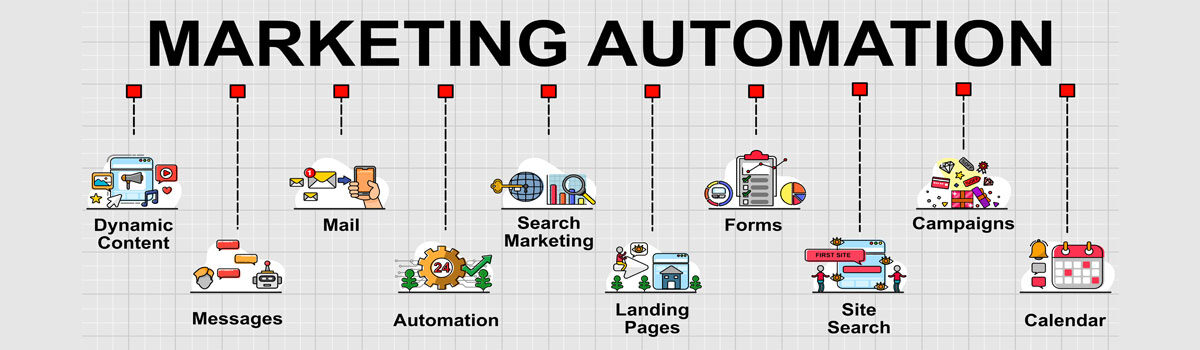
An Automated Sales Funnel Should NOT AUTOMATE EVERYTHING!

Marketing automation has a real role in K-12 education sales. It’s just a smaller role than most vendors give it.

Automated email sequences, retargeting, lead scoring — these tools are genuinely useful for building awareness and staying visible during the long stretches between meaningful touchpoints with a district buyer. Use them. But organizations that treat automation as their primary conversion strategy in this market consistently underperform the ones that understand what automation can’t do.

It can’t build trust with a superintendent who’s been burned by three vendors in a row. It can’t navigate the conversation with a curriculum director who needs to bring four other stakeholders along before she can recommend a purchase. It can’t read the signal when a district leader is genuinely interested but politically constrained — and adjust accordingly.

District-level sales in K-12 is relationship sales. The buying process is long, the decisions are visible, and the political stakes for a district leader who backs the wrong vendor are real. Nobody signs a contract with someone they don’t trust. And trust in this market isn’t built through a well-timed drip sequence — it’s built through conversations where the salesperson asks better questions than the buyer expected, listens more than they talk, and demonstrates they actually understand the district’s situation before reaching for a solution.

The right question isn’t how much of the sales process can be automated. It’s which parts actually require a human being, and how do you protect that capacity? In K-12 education sales, the answer almost always points to the same moments: the first substantive conversation with a qualified prospect, the follow-up after a demo, and the check-in six months before the next budget cycle opens.

Automate the repetitive work. Protect the relationship work. In this market, that’s where deals are won and lost.